Discovering Mahjong: An Intricate Game with a Rich Heritage
Origins and Evolution
Mahjong, a game steeped in history, has mesmerized millions with its complexity and elegance. Originating in China during the Qing dynasty, it evolved from various ancient card games and domino tiles, eventually taking its unique form as a skill-based game of wits and strategy. Over the years, Mahjong has transcended cultural boundaries, becoming a beloved pastime worldwide.
The Composition of the Game
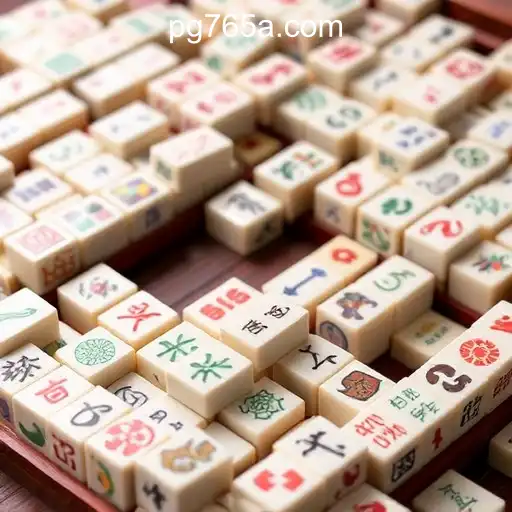
Understanding Mahjong requires grasping its basic structure. The game is traditionally played with a set of 144 tiles, although variations exist. These tiles include three suits—Bamboo, Characters, and Dots—each numbered from one to nine. In addition to these suit tiles, there are Honor tiles, further divided into four Wind and three Dragon categories. Completing the set are eight optional tiles known as Flowers and Seasons.
During play, participants aim to form specific combinations of these tiles, known as melds, including pongs, chows, and kongs, concluding with a winning hand called Mahjong. This process requires strategic tile selection and discard, akin to a game of skillful chess where foresight and adaptability are crucial.
Game Variants: Spanning the Globe
As Mahjong migrated beyond China, it inspired numerous regional variants, each with its nuances. In Japan, the game developed into a unique form known as Riichi Mahjong, emphasizing concealed hands and betting elements. The Western adaptation, often called American Mahjong, introduced rule changes incorporating Joker tiles and the Charleston exchange to enhance complexity. The way these variants emerged underscores Mahjong's adaptability and enduring appeal.
Strategic Depth and Cultural Significance
Mahjong is not merely a game of chance but a test of strategy, memory, and adaptability. Players must meticulously observe opponents' moves, infer their strategies, and adjust tactics accordingly. This level of strategic depth is a significant draw for enthusiasts who revel in mental challenges. Mahjong also functions as a cultural beacon, a social activity fostering bonds across ages and geographies. Its rhythmic tile clacking and friendly competition provide a communal experience beloved by families and friends alike.
Moreover, Mahjong holds symbolic importance in Chinese culture, often associated with festivals and celebrations. It carries superstitions and interpretations of luck that influence gameplay, adding an element of mystique.
Mahjong's Influence on Popular Culture
The influence of Mahong seeps beyond traditional gameplay, impacting various cultural domains. It has inspired digital adaptations and gaming platforms like 765A.COM Oficial Slots Brasil #1, which pay homage to its strategic core while introducing elements of chance and entertainment prevalent in modern gaming landscapes. These interpretations retain Mahjong's spirit, bridging traditional pastimes with contemporary gaming culture.
In literature, film, and television, Mahjong frequently symbolizes aspects of Chinese heritage, familial ties, and strategic thinking, reinforcing its cultural resonance and versatility as a metaphor.
Learning and Mastering Mahjong: A Lifelong Pursuit
For newcomers and veterans alike, mastering Mahjong is an ever-evolving journey. While the initial learning phase revolves around rules and basic strategies, deeper expertise involves recognizing patterns, predicting outcomes, and psychological acumen to decipher opponents' intentions.
Interactive Learning and Community Engagement
Today, learning Mahjong is more accessible than ever. Numerous online platforms offer tutorials, practice games, and community forums for enthusiasts to hone their skills. Engaging in local Mahjong clubs and tournaments provides an excellent opportunity to connect with fellow players, exchange strategies, and immerse oneself in the rich culture of the game.
Continuous practice and exposure to different styles of play enhance strategic thinking, making Mahjong both a rewarding hobby and a meaningful intellectual pursuit.
Conclusion: The Everlasting Allure of Mahjong
The timeless allure of Mahjong lies in its unique blend of skill, strategy, and cultural richness. Whether played traditionally or in modern formats, it remains a captivating experience for players seeking mental stimulation and social connection. As Mahjong continues to evolve and inspire new generations, it retains its position as a treasured global pastime, a testament to its enduring charm and versatility.